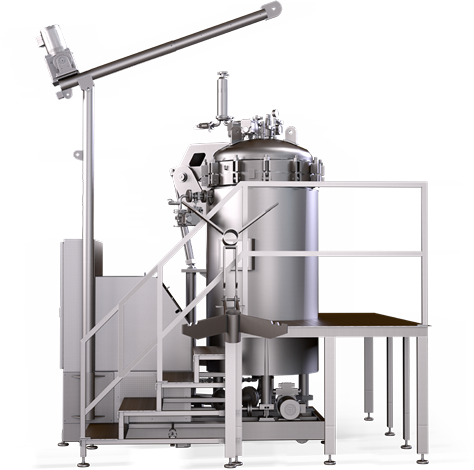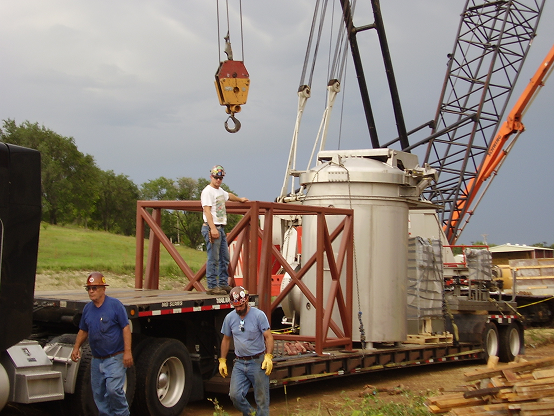
Process tissue waste safely and efficiently without relying on off-site hauling or incineration. BioSAFE Tissue Digesters use alkaline hydrolysis technology for a safer alternative.
Tissue Digesters are used in:
Tissue digesters may operate under either high-pressure or low-pressure conditions to match your facility’s needs for containment, throughput, and capital cost.
Best for high-containment (BSL-3/4) or high-throughput laboratories.
Best for facilities with moderate throughput or tighter budget requirements.
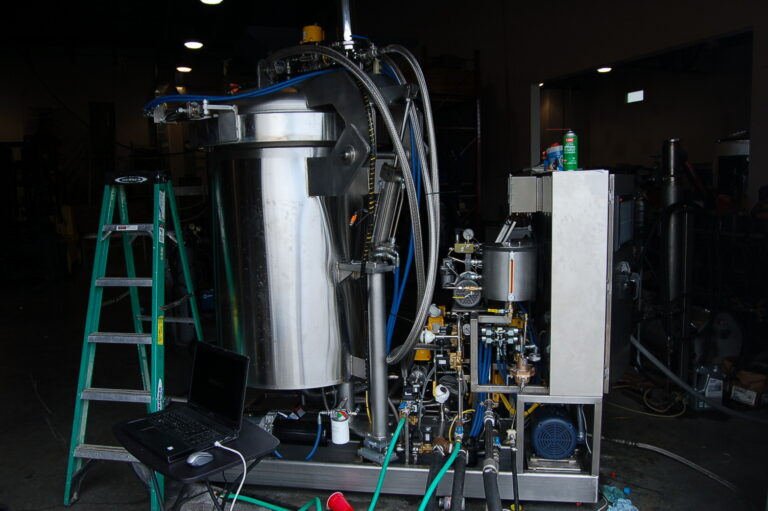
Tissue digesters may employ either mechanically agitated thermic processing or chemically driven caustic digestion, depending on chemical use preferences, utility availability, and containment requirements
A strong fit for facilities prioritizing operational flexibility and lower chemical demand.
A strong fit for containment-focused environments that require a proven, closed system.
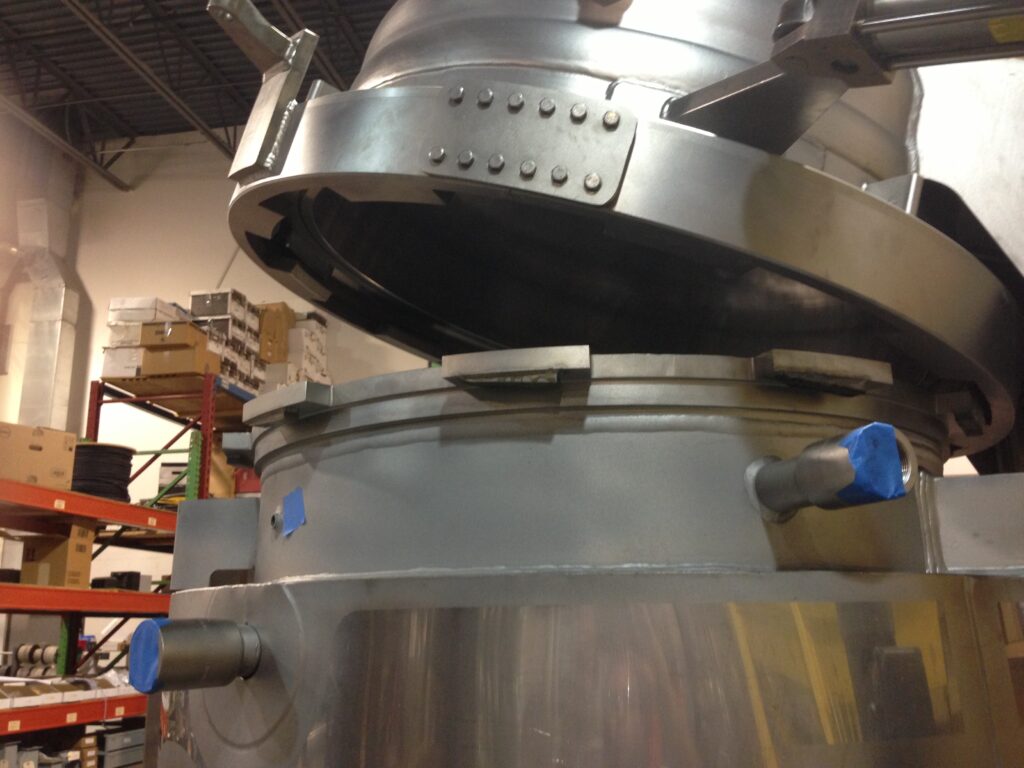
Tissue digesters may be configured to discharge treated material in either wet or dry form. The selection impacts downstream handling, sewer demand, chemical consumption, and overall cycle time.
A strong fit for high-efficiency operations with robust sewer access.
Best for facilities with limited sewer capacity or stricter discharge requirements.
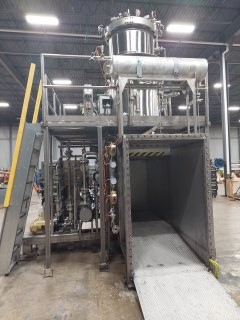
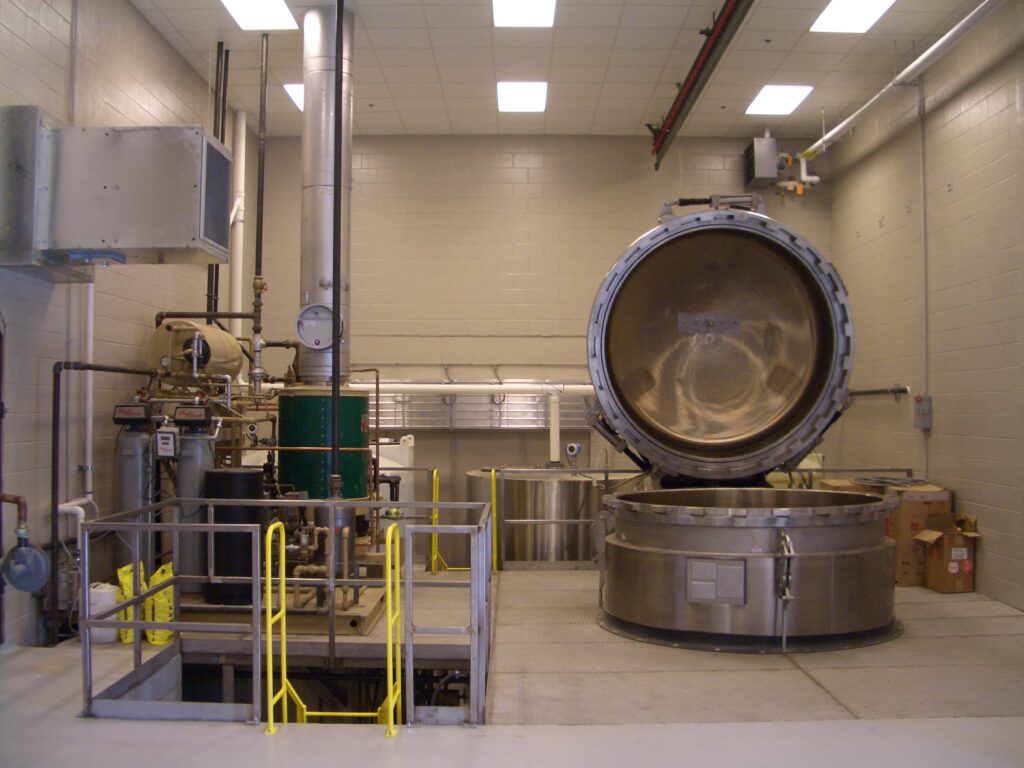
Whether you’re planning a new containment facility or adapting an existing space, BioSAFE offers deployment options to match your layout, containment needs, and budget.
Designed to interface directly with containment spaces for safer tissue handling within controlled environments.
A cost-effective option for facilities that need reliable tissue processing without extensive building integration.
BioSAFE Tissue Digesters process tissue waste through a closed, controlled alkaline hydrolysis cycle.
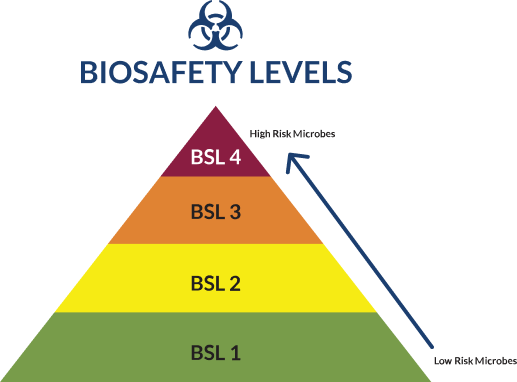
Like all BioSAFE products, Tissue Digesters can be customized to your facility’s needs and are available in sizes ranging from 5 pounds to 10,000 pounds per cycle. Standard features include:
BioSAFE’s patented alkaline hydrolysis technology converts potentially infectious tissue waste into sterile effluent for safe on‑site processing.” Then add a credibility line like: “Systems are currently operating worldwide in research labs, containment facilities, and BSL‑3Ag and BSL‑4 environments
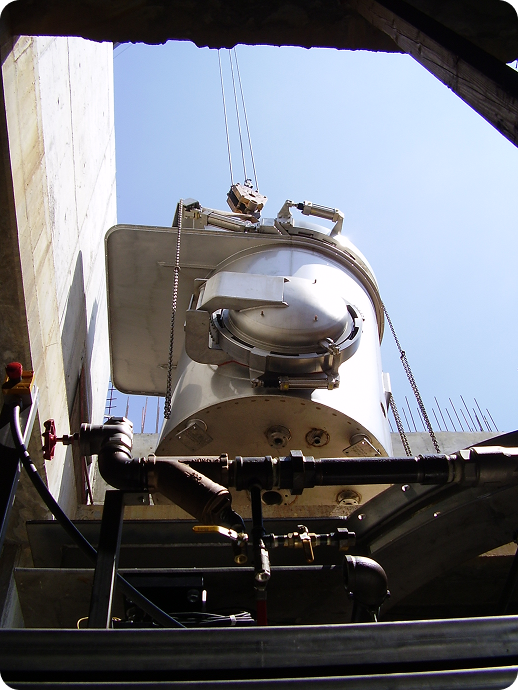
Agricultural research and BSL‑3Ag facilities require secure, compliant tissue disposal. BioSAFE digesters enable on‑site treatment of high‑risk tissue waste without incineration or off‑site hauling.
Common applications include:


Accordion Content
Facilities that generate regulated anatomical, pathological, or prion-risk tissue waste often need an on-site treatment option. BioSAFE tissue digester systems are used in agricultural research and testing facilities, biopharmaceutical research environments, and high-containment BSL-3 and BSL-4 laboratories.
Yes. BioSAFE tissue digesters are available in sizes ranging from 5 to 10,000 pounds per cycle. System selection depends on your throughput, containment requirements, available utilities, and discharge constraints
BioSAFE tissue digesters use patented alkaline hydrolysis to process tissue waste in a closed system. The process converts up to 97% of tissue into sterilized effluent that can be released to the sanitary sewer, with the remaining material consisting of sterilized inorganic matter such as calcium phosphate from bones and teeth.
BioSAFE positions the tissue digester for high-risk tissue waste streams, including infected animal tissue, pathological waste, GMO and bioengineered tissue, prion risk material, and agricultural-research waste associated with chronic wasting disease and foot-and-mouth disease.
BioSAFE offers high-pressure and low-pressure configurations to match different operating needs. High-pressure systems are positioned for stronger efficacy and shorter cycle times. Low-pressure systems are positioned for lower capital cost and lower mechanical complexity.
Wet discharge can reduce post-process handling, lower chemical use, and support shorter cycle times. Dry discharge reduces sewer loading and can be a better fit for facilities with tighter discharge constraints or limited sewer capacity.
BioSAFE positions the tissue digester as a closed-loop alternative to incineration for contaminated tissue disposal. On the product page, BioSAFE contrasts tissue digesters with incineration on operating cost, operator exposure, and emissions. Those comparisons are central to BioSAFE’s messaging, though the deep dive notes they are company-stated claims unless backed by outside validation.
BioSAFE positions tissue digesters as long-life equipment, with component layout and accessibility designed to make service work easier over time. The deep dive describes tissue digesters as 15–20 year equipment.
Contact our sales team to see what type of tissue digester your facility needs.