
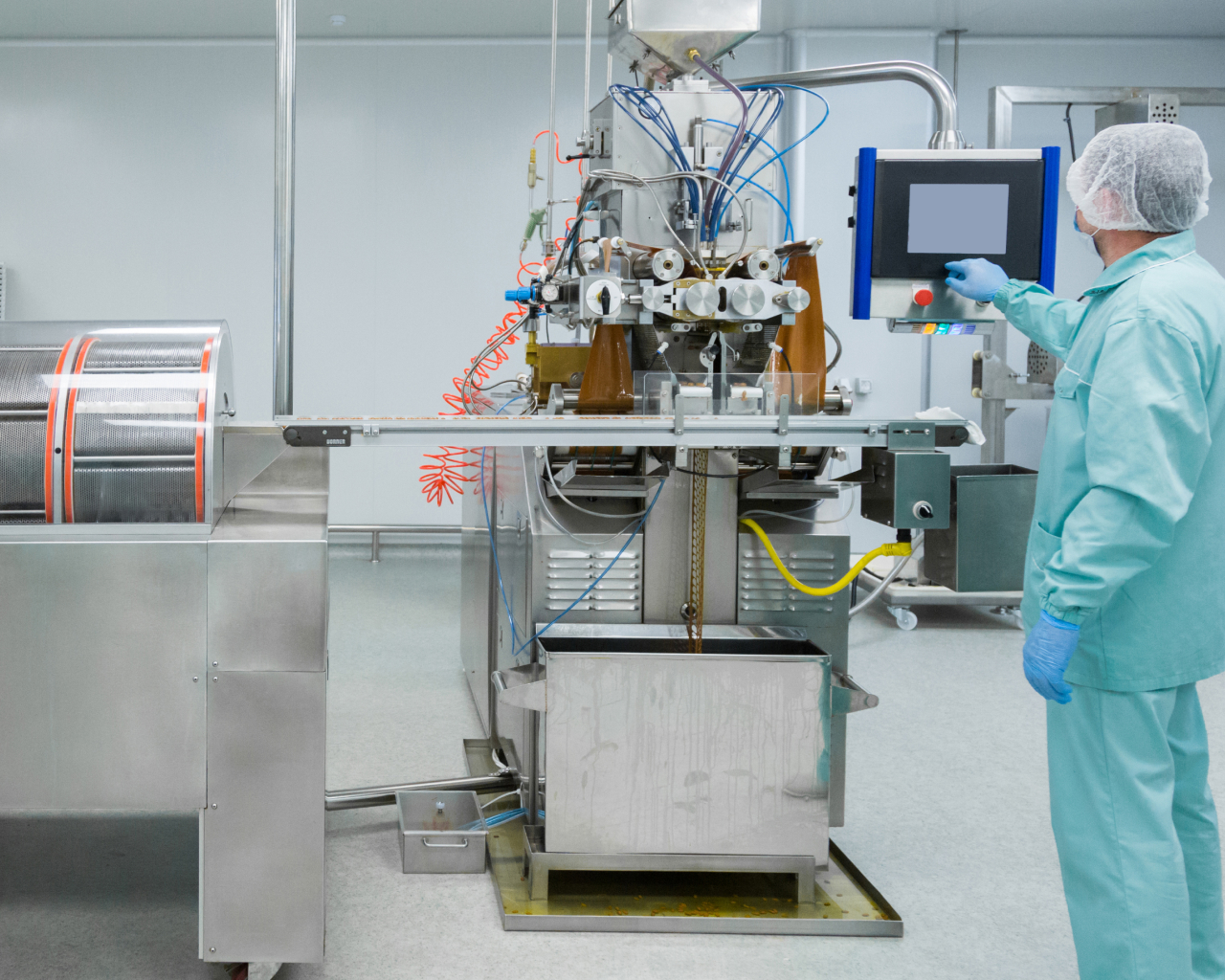
In life sciences labs and bioproduction facilities, waste treatment is part of core operations. Systems that handle effluent, tissue, and high-risk materials run alongside production and research workflows, with direct impact on uptime, utilities, and compliance.
These systems rely on heat to meet treatment requirements. Thermal effluent decontamination systems, tissue digesters, and incineration processes all generate significant energy as part of normal operation. That energy is often treated as a byproduct.
When viewed at the system level, it becomes something else. Heat recovery is not just about reducing waste. It is a way to improve how these systems perform within the facility. It affects energy use, infrastructure load, and long-term operational efficiency.
For labs operating under continuous demand or strict containment requirements, those factors shape day-to-day performance. Waste treatment is not separate from operations. It is part of how the facility runs.
The Role of Heat in Lab Waste Treatment Systems
Heat is built into several of the systems labs use to treat waste safely. In life sciences environments, that starts with two main waste streams: liquid effluent and tissue waste. Effluent decontamination systems treat liquid waste through thermal processes, configured as batch or continuous flow. Tissue digesters handle regulated tissue and pathological waste through alkaline hydrolysis.
In these systems, heat is part of the treatment process itself. Thermal effluent systems rely on controlled temperature to meet containment and discharge requirements. Tissue digesters use heat and chemistry to break down material, converting most of it into sterilized effluent, with the remaining byproducts reduced to inert solids.
Incineration sits in the same category of heat-dependent processes. It uses sustained high temperatures to destroy waste materials and remains one of the most energy-intensive treatment methods used in regulated environments.
Across these approaches, heat is not incidental. It is required to achieve safe treatment. That makes it a consistent output of systems that operate continuously or at high throughput.
Once heat is understood as part of normal operation, the question shifts. Instead of treating it as a loss, facilities can evaluate how that energy is captured and reused within the broader system.
Where Waste Heat Is Generated in Lab Environments
Waste heat in labs comes from treatment systems that already carry a compliance job. It is generated inside the equipment used to process liquid effluent, destroy tissue waste, or handle high-temperature destruction.
In effluent decontamination systems, heat generation begins with the treatment method itself. Thermal EDS configurations are used for liquid waste in research and bioproduction settings, and those systems can be designed as batch or continuous flow. That choice affects how heat is produced over time. A continuous system creates a steadier thermal profile. A batch system concentrates heat into treatment cycles. In both cases, the system is built around containment, throughput, utilities, and discharge requirements.
Tissue digesters generate heat through the digestion process used for regulated tissue and pathological waste. These systems rely on alkaline hydrolysis and are configured around the same operational realities that shape EDS selection, including containment level, throughput, utilities, and discharge constraints. They are often used in high-containment research settings, animal labs, and facilities handling prion-risk material. The source material notes that tissue digesters convert 97 percent of tissue to sterilized effluent, with the remaining byproducts described as sterilized inorganic matter.
Incineration generates heat in the most direct way. It uses sustained high temperatures to destroy waste materials, which makes it one of the most energy-intensive treatment methods in regulated environments. It is relevant here as a reference point for facilities evaluating where thermal energy is produced and how much of it may be recoverable. The source material also uses incineration as a comparison point when discussing tissue digestion, especially around emissions and smokestack-related tradeoffs.
Taken together, these systems show that waste heat does not come from a single type of lab process. It appears across liquid treatment, tissue processing, and thermal destruction methods. The amount, timing, and recoverability of that heat depend on the equipment, the treatment method, and the way the system is configured inside the facility.
Turning Waste Heat into Operational Advantage
Once a treatment system is producing heat as part of normal operation, the next issue is what the facility does with it. In lab environments, that question belongs to operations as much as to engineering. Heat that would otherwise leave the system can be redirected into other parts of the facility, including process support and utility loads.
That matters most in settings where treatment is tied closely to ongoing lab activity. Effluent decontamination systems are often selected around containment demands, discharge requirements, and infrastructure limits. The same source material notes that EDS can be engineered around facility throughput, regulatory requirements, and energy needs. That makes heat recovery relevant at the system-planning level, not as a separate add-on.
The operational value is straightforward. Reusing thermal energy can reduce the amount of additional energy a facility needs to supply elsewhere. It can ease demand on utilities that already support treatment systems and other critical functions. In facilities with steady processing loads, that can improve overall system efficiency and reduce strain on supporting infrastructure.
This becomes more important in environments where continuity matters. The source material repeatedly ties liquid waste treatment to uptime, safe operations, and downtime avoidance. Seen in that context, heat recovery is part of a broader effort to make treatment systems work more efficiently inside the facility footprint they already occupy.
System-Level Benefits for Lab Operations
The impact of heat recovery shows up at the facility level. It affects how systems run together, not just how one piece of equipment performs.
In lab environments, waste treatment is tied to daily operations. Systems must support uptime and avoid disruptions. For liquid waste treatment, that means aligning with throughput, discharge requirements, and available utilities. Using recovered heat within the system can reduce additional energy demand and ease pressure on those utilities.
There is a planning dimension as well. Labs are built around infrastructure constraints, including utilities, discharge limits, and long-term capacity. Treatment systems are selected within those limits. When heat recovery fits into that design, it contributes to overall facility efficiency rather than a single-system improvement.
This becomes more relevant in facilities with continuous demand. Energy use, system reliability, and infrastructure planning are closely connected. Heat recovery supports those priorities by making use of energy already generated during required treatment processes.
Design Considerations for Heat Recovery Integration
Heat recovery decisions are shaped by the same factors that define the treatment system itself. That means looking at configuration, facility constraints, and the characteristics of the waste being processed.
System Configuration
In effluent decontamination, one of the first decisions is batch or continuous operation. Each creates a different thermal profile. Batch systems generate heat in cycles. Continuous systems produce a steady output.
Treatment method matters as well. Thermal systems generate consistent heat as part of the process, which makes recovery more predictable. System architecture, whether lab-integrated or building-integrated, also affects how that heat can be captured and reused.
Throughput adds another layer. Systems can range from small lab setups to large-scale operations. The volume of waste being treated directly influences how much recoverable energy is available.
Facility Constraints
Heat recovery has to fit within the facility. In new construction, systems can be designed with integration in mind. In retrofit environments, existing infrastructure often sets the limits.
Utilities, space, and discharge pathways all shape what is possible. The source material notes that system selection is closely tied to these constraints, especially in facilities with strict containment and discharge requirements.
Waste Stream and Containment Requirements
Different waste streams lead to different system designs. Liquid effluent, tissue waste, and mixed streams each require specific treatment approaches.
For tissue digesters, configuration options include pressure level, agitation method, and discharge setup. These choices affect how the system operates and where heat recovery may fit.
Containment level further defines the design. Systems operating in high-containment environments must meet strict compliance standards. In those cases, heat recovery has to be considered as part of the overall system, not as a separate addition.
Applications Across Life Sciences Environments
The value of heat recovery depends on the type of facility using it. In life sciences environments, that usually means matching the treatment system to the operational demands of the site.
High-Containment Research Labs
Research facilities operating at BSL-3 and BSL-4 have strict treatment and discharge requirements. The source material places both EDS and tissue digesters in these environments, where containment shapes system selection from the start. In settings like these, thermal processes are part of routine compliance and daily operations.
Bioproduction Facilities
Bioproduction sites often deal with ongoing liquid waste streams and the need for reliable treatment capacity. The source material identifies life sciences and bioproduction as primary settings for EDS, with system design tied to throughput, regulatory requirements, and energy needs. That makes them strong candidates for evaluating how recoverable heat can support broader facility performance.
Animal Research and Pathology Labs
Animal research and pathology settings bring a different treatment profile. The source material links tissue digesters to infected animal tissue, carcasses, pathological waste, and prion-risk material. These are environments where tissue processing is a core requirement, not an occasional task, so the treatment system becomes a permanent part of the facility’s operating model.
Engineering for Long-Term Performance
Heat recovery works best when it is part of system design from the start. Treatment systems are already shaped by containment requirements, throughput, utilities, and facility constraints. Integrating heat recovery into that framework allows it to support how the system operates, not sit outside of it.
Heat generated during treatment is a usable resource. When captured and reused, it can improve energy efficiency, support system reliability, and reduce pressure on facility infrastructure. These outcomes depend on how well the system is designed to fit the environment it serves.
For labs and bioproduction facilities, those decisions are made early. The way treatment systems are configured will influence long-term performance across the facility.
Organizations planning new builds or upgrading existing systems should evaluate treatment and energy use together. BioSAFE Engineering works with facilities to design effluent decontamination systems, tissue digesters, and integrated solutions that align with operational and regulatory requirements.
Frequently Asked Questions About Waste Heat Recovery
What is waste heat recovery in lab environments?
It is the process of capturing heat generated during waste treatment and reusing it within the facility, such as for preheating processes or supporting utilities.
- Which systems generate recoverable heat in labs?
Thermal effluent decontamination systems, tissue digesters using alkaline hydrolysis, and incineration systems all produce heat as part of normal operation. - Does heat recovery affect compliance or containment?
It must be integrated into system design. When done correctly, it supports compliance without interfering with containment or discharge requirements. - Is heat recovery only useful for large facilities?
No. Larger facilities may see greater impact, but smaller labs can benefit if systems are designed with recovery in mind from the start.
5. When should heat recovery be considered?
During system design or upgrades. Early planning allows heat recovery to align with utilities, infrastructure, and operational requirements.